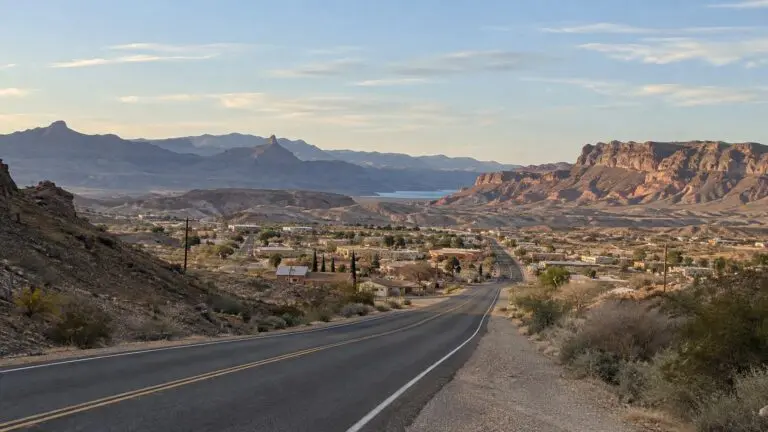
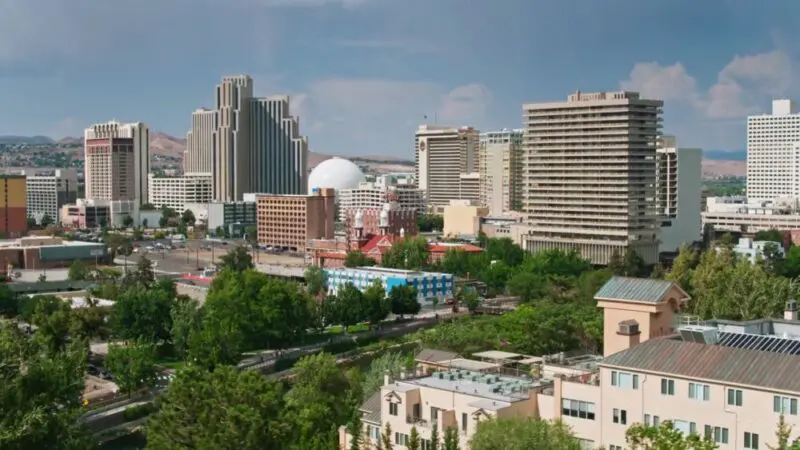

Reno, Nevada, calls itself “The Biggest Little City in the World,” which sounds modest until you see the construction cranes multiplying in 2026. Growth is not subtle.
New subdivisions stretch outward, apartment complexes rise quickly, and California license plates remain a common sight in grocery store parking lots.
Relocation interest keeps climbing, largely fueled by people escaping high costs in California and other pricey states. Job growth helps. Tax advantages sweeten the deal.
Outdoor access seals it. Many newcomers arrive expecting lower expenses, more elbow room, and quick access to mountains, ski resorts, and water.
What we will address today covers the upside, the headaches, relocation realities, and some lifestyle details people rarely mention.
Why People Are Moving to Reno in 2026

Population growth in 2026 is not subtle. Moving trucks and out-of-state plates have become part of the daily backdrop.
California residents in particular keep arriving with equity in their pockets and high expectations.
Cost relief, job prospects, and easier access to outdoor recreation sit at the top of their priority list.
Tax Advantages
Money talks. Nevada makes sure it speaks clearly. Anyone exhausted by state income tax quickly notices what is missing.
Key tax realities include:
- No state personal income tax
- No state corporate income tax
- No estate or inheritance tax
- Average property tax is around 0.53%
- No tax on groceries
- No state level tax on gasoline in the way many transplants expect
Property taxes around 0.53% feel almost suspiciously low to someone arriving with California property tax trauma. Absence of income tax alone can reshape a household budget.
Dual-income households often calculate the difference and suddenly find extra room for savings, travel, or a larger mortgage. Translation is simple. Paychecks stretch further, and retirement planning looks less painful.
Economic Opportunity and Job Market
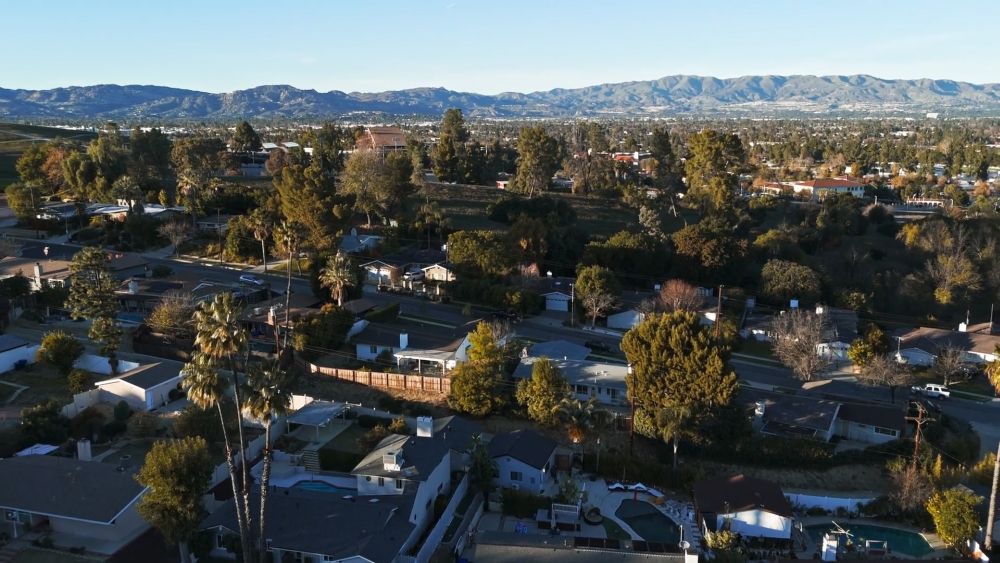
Job growth is not marketing fluff. Industrial parks keep expanding. Warehouses, distribution centers, and advanced manufacturing facilities occupy more space each year.
Tesla’s Gigafactory near Sparks continues to anchor regional manufacturing headlines.
Apple and Google maintain a presence, reinforcing the idea that Reno is no longer defined only by gaming.
Growth sectors attracting new residents include:
- Technology and data infrastructure
- Logistics and distribution
- Advanced manufacturing
- Renewable energy projects
- Healthcare systems and medical services
Remote workers also see Reno as a tax friendly base with outdoor perks. Skilled tradespeople find steady demand due to ongoing construction.
Professionals in engineering, IT, and supply chain management report competitive salaries compared with local costs.
Economic base has broadened enough that one industry slump no longer dictates the entire mood of the city.
Outdoor and Seasonal Lifestyle
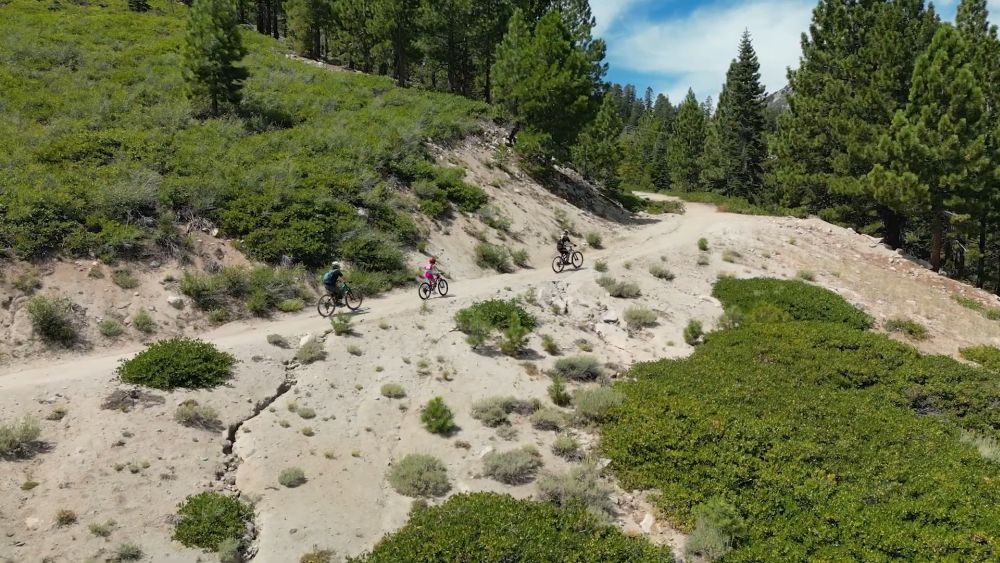
Four distinct seasons give residents something to brag about at dinner parties. Summers push into the 90s. Winters bring snow, especially in higher elevations.
Roughly 300 sunny days each year help offset those colder months. Blue skies become the default setting.
Outdoor access shapes daily life. Lake Tahoe sits about 45 minutes away by car, traffic permitting. Ski areas operate through winter.
Hiking and mountain biking trails open up in spring and summer. Truckee River runs directly through town, offering kayaking, rafting, and scenic walking paths.
Weekend plans often include:
- Skiing or snowboarding in winter
- Hiking and trail running in warmer months
- Boating and paddleboarding at Lake TahoeCycling along river paths
City life does not eliminate access to mountains and water. It simply places them within reach after work.
The region’s diverse ecosystems support a remarkable variety of animal life. From mule deer and desert bighorn sheep in the mountains to bird species like eagles and falcons along the Truckee River, wildlife viewing is an integral part of the outdoor experience. Nevada is actually home to more than 480 bird species and ranks 9th among all states in mammal diversity.
Relative Affordability
Housing prices in Reno have climbed over recent years. Growth has pushed values upward, and competitive bidding still appears in popular neighborhoods.
Even so, many buyers arriving with California equity feel as if they found a discount aisle.
Comparison points often look like this:
- Reno home prices remain lower than many Lake Tahoe communities
- Median prices undercut large portions of coastal California markets
- Property tax rate around 0.53 percent reduces long term ownership costs
Renters may argue about affordability, especially as rents have risen. Yet compared with major West Coast metros, Reno can look like a financial reset button.
Perception depends heavily on where someone lived before.
Culture and Community
Reputation as a gambling town lingers, yet current reality looks different. Arts festivals, food events, and live music fill local calendars.
Craft breweries and independent coffee shops have multiplied, particularly in Midtown.
University of Nevada, Reno contributes academic energy and a steady flow of students and faculty. College sports draw crowds.
Public lectures and research initiatives add intellectual activity to the mix. Social life no longer revolves solely around casinos.
City energy feels broader and more varied than stereotypes suggest.
Pros of Living in Reno
Relocation decisions often come down to practical math and lifestyle preferences. Reno checks several boxes that matter to working professionals, families, and retirees alike.
Tax-Friendly Environment
No state income tax remains the headline. Lower property taxes around 0.53 percent make ownership more realistic for many households.
Absence of estate and inheritance taxes also attracts retirees thinking long term. Overall tax burden feels lighter than in many neighboring states.
Job Market Growth
Tech firms, logistics hubs, manufacturing plants, renewable energy projects, and healthcare systems provide a broader economic base than people expect.
Tesla, Apple, and Google contribute to a sense that Reno is not just a casino town anymore.
Employment options have widened, and salaries in certain sectors have followed suit.
Outdoor Recreation and Natural Beauty
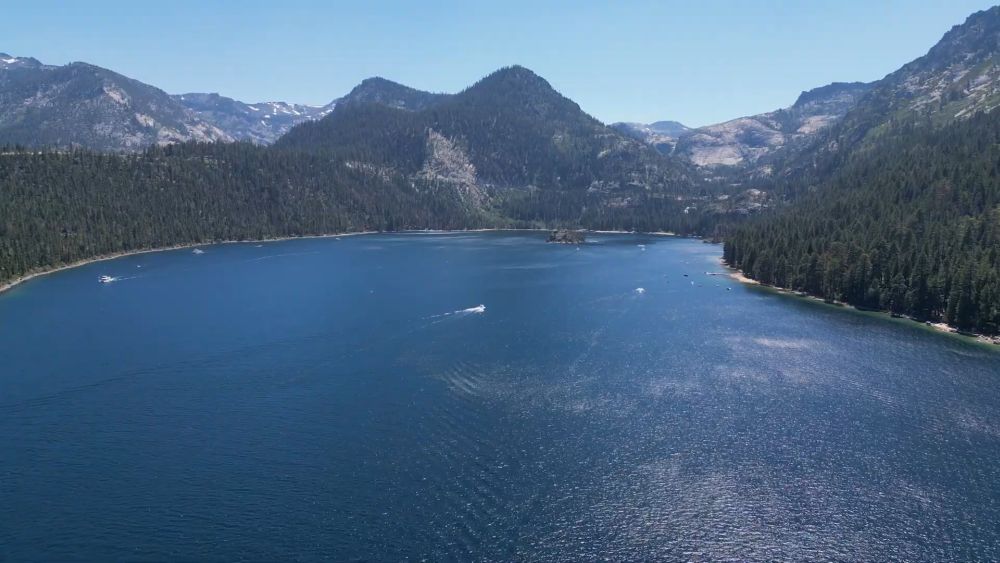
Mountains, rivers, and lakes sit within easy reach. Hiking trails begin a short drive away. Ski resorts operate during winter.
Boating and paddleboarding happen at Lake Tahoe and other regional waters.
The Truckee River runs through town, offering kayaking and scenic walking paths.
Interest in environmental stewardship has grown along with population. Communities pay closer attention to water conservation and habitat restoration.
Backyard lake restoration projects in residential settings often take the form of carefully designed ponds or water features that use efficient circulation systems.
Homeowners mirror larger regional efforts such as riparian and wetland restoration initiatives aimed at protecting Nevada waterways.
Outdoor living spaces frequently include patios, shade structures, and water-conscious designs that balance comfort with resource limits.
Access to Lake Tahoe
Lake Tahoe sits about a 45-minute drive away, traffic permitting.
Proximity allows residents to enjoy world-class skiing, hiking, and clear alpine water without paying Tahoe housing prices. Many see Reno as the practical base camp.
Strong Educational Resources
University of Nevada, Reno contributes research activity, college sports, and educational programs.
Community colleges and vocational training centers support workforce development. Families value access to higher education without leaving town.
Cons of Living in Reno
Optimism sells houses. Reality pays utility bills. Living in a fast growing high desert city comes with tradeoffs that deserve attention.
Wildfire Risk and Air Quality
Wildfire season can turn blue skies into a smoky haze. Air quality deteriorates during major fire events, especially in summer and early fall.
Smoke affects outdoor activities and can trigger respiratory issues.
Long stretches of poor air quality are not hypothetical. Residents learn to check air quality indexes before planning outdoor time.
Water Scarcity
High desert conditions mean water is limited. Landscaping choices must reflect that reality. Lakes, rivers, and reservoirs require careful management.
Conservation efforts are ongoing. Lush green lawns demand higher water use, which often conflicts with local sustainability goals.
Housing Market Pressures
Home prices have risen significantly over recent years. Competitive bidding situations still occur in desirable neighborhoods.
Rent has also climbed, pushing cost of living higher than the national average.
Compared with many California cities, Reno can feel affordable. Compared with national averages, not so much.
Limited Public Transit
Public transit options exist but are limited. Transit scores remain low. Car ownership is almost mandatory for most residents.
Commuting without a vehicle can become an exercise in patience.
Seasonal Weather Extremes
Summers regularly push into the 90s and above.
Winters bring freezing temperatures and snowfall, especially in higher elevations.
Heating in winter and air conditioning in summer add to utility bills. Four seasons sound romantic until shoveling snow at 6 a.m.
Cost of Living
Overall cost of living exceeds the national average, with housing and rent leading the charge. Utilities fluctuate due to heating and cooling demands.
Grocery and service prices have climbed along with population growth.
What to Know Before Moving

Relocation works best with preparation. Reno rewards planning and punishes assumptions.
Planning Your Move
Neighborhood choice significantly affects lifestyle and budget. East Reno offers newer developments. North Valleys provide more suburban settings.
Midtown attracts those seeking walkability and nightlife.
South Central and Old Southwest feature established homes and mature trees.
Price differences can be substantial depending on:
- Proximity to downtown or Midtown
- Age and size of property
- Access to schools and amenities
Utility budgeting is essential. Summer air conditioning and winter heating both increase monthly costs. High desert climate does not guarantee mild temperatures year-round.
Lifestyle and Environment Preparations
Vehicle ownership is strongly recommended. Limited transit options make commuting and errands difficult without a car. Insurance and fuel costs should factor into overall budgeting.
Outdoor spaces require thoughtful design due to water scarcity. Xeriscaping has gained popularity.
Many residents install patios, fire pits, shade structures, and water-efficient gardens.
Water-conscious design reflects a broader regional ethic that values and protects limited resources.
Community and Integration
Social connection often begins with participation.
Local events, arts festivals, university activities, and outdoor recreation groups provide accessible entry points.
Hiking clubs, ski meetups, and river clean up initiatives offer ways to meet neighbors while enjoying the region.
Building community takes effort. Opportunities exist for those willing to show up consistently. Reno rewards involvement more than passive observation.
Summary
Reno in 2026 offers economic opportunity, tax advantages, outdoor access, and an active community scene.
Growth has created jobs and expanded cultural options. Lake Tahoe remains close enough for regular weekend trips.
Challenges exist. Housing costs continue to rise. Wildfire smoke can disrupt daily life. Water scarcity shapes long term planning. Public transit leaves much to be desired.
Decision ultimately rests on personal priorities. Financial goals, career ambitions, tolerance for seasonal extremes, and desire for outdoor access all factor into the equation.