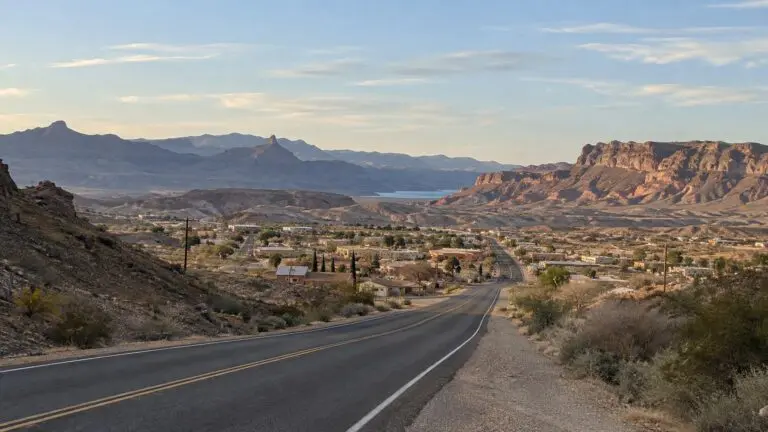
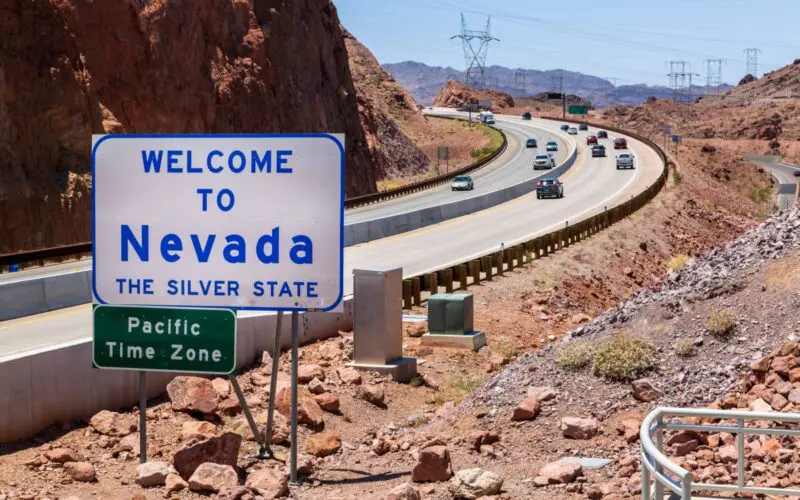

In Las Vegas, summer afternoons can be so hot that walking across a parking lot feels exhausting. Drive north to Reno, however, and winter might have you scraping ice off your windshield before work. Welcome to Nevada, where the weather can be just as surprising as the scenery.
Moving to Nevada offers plenty of attractions, including sunshine, mountain scenery, outdoor recreation and no state personal income tax. However, living in the desert comes with adjustments that people moving out of other states might not anticipate.
1. Nevada Can Get Surprisingly Cold in Winter
View this post on Instagram
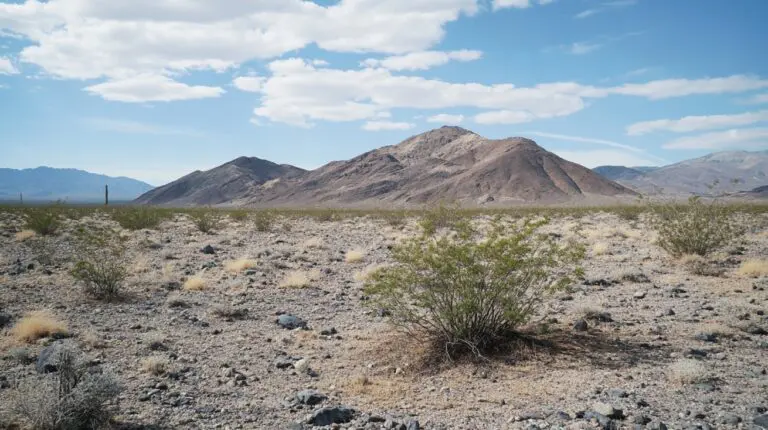
Many people associate Nevada with scorching temperatures, but the state has several different climate zones.
Las Vegas generally experiences mild winters compared with many northern cities. However, temperatures can still drop close to freezing overnight, and snow occasionally reaches parts of the Las Vegas Valley.
Northern Nevada is another story. Reno experiences freezing winter temperatures and occasional snowfall, and nearby mountain communities can receive substantial snow.
According to the Nevada State Climate Office, winter temperatures vary considerably across the state. Some northern areas experience average daytime highs barely above freezing.
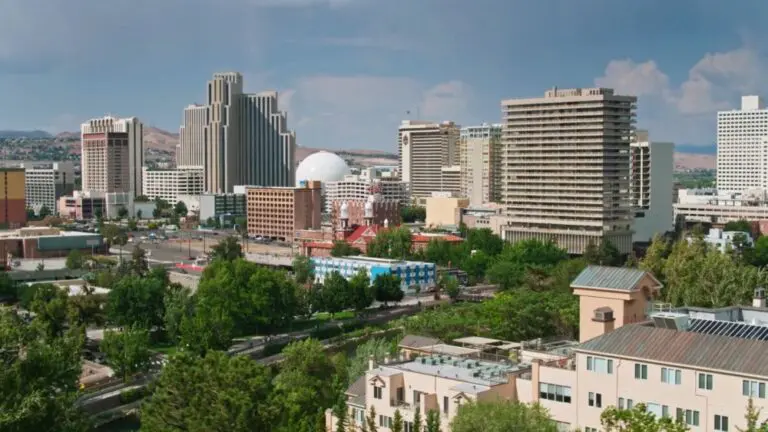
If you are considering relocating north, the advantages and challenges of moving to Reno include winter weather, access to outdoor recreation and changing housing costs.
2. Summer Heat Can Completely Change Your Daily Schedule
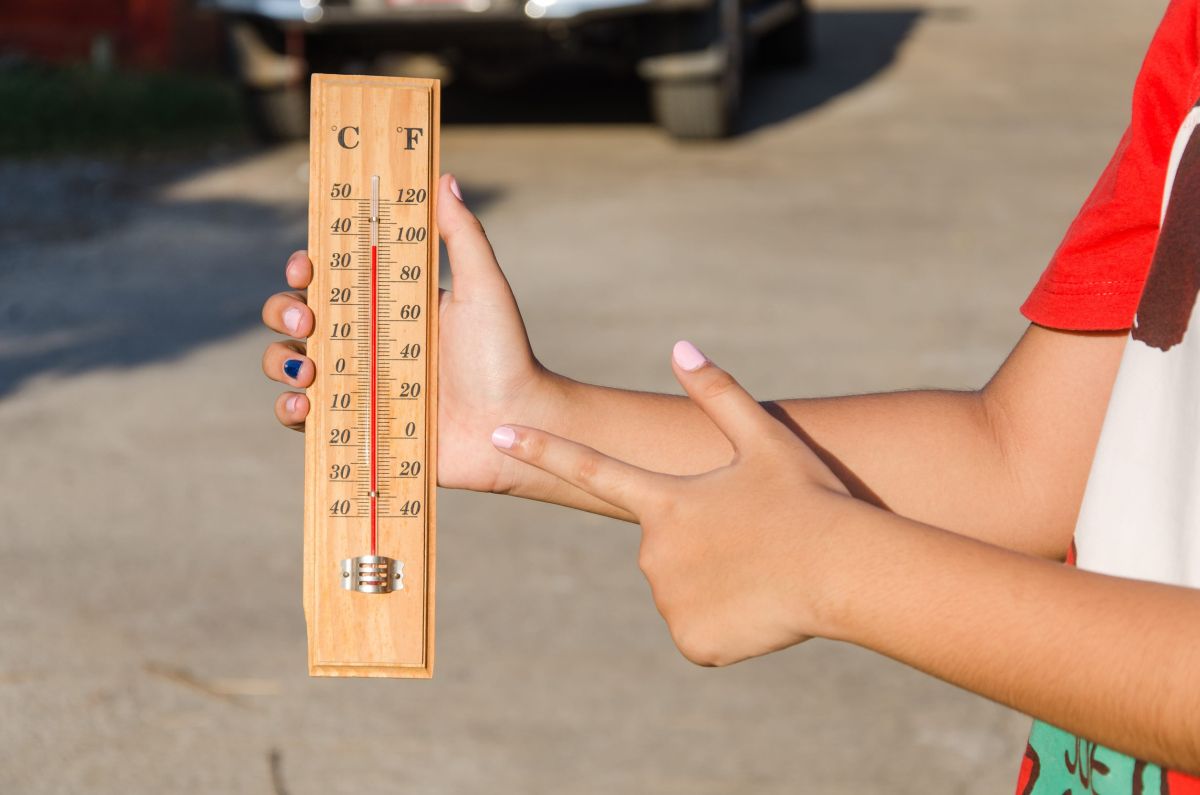
In some cities, summer means spending more time outside. In southern Nevada, it can mean planning your entire day around avoiding the hottest hours.
According to the National Weather Service, Las Vegas experiences particularly intense summer heat, with temperatures regularly exceeding 100°F during the hottest months.
Residents adapt by exercising early in the morning, walking dogs after sunset and scheduling outdoor chores when temperatures are lower.
Even simple activities require planning. Carrying groceries across a large parking lot or spending an afternoon gardening can become uncomfortable during extreme heat.
Another surprise is how long the warmth remains after sunset. On particularly hot summer nights, the temperature can stay high well into the evening.
New residents should pay attention to heat warnings and learn to recognize the signs of heat exhaustion. Drinking enough water, finding shade and avoiding unnecessary outdoor exertion become regular parts of summer life.
3. Keeping a Green Lawn Is More Complicated Than You Might Expect
If your dream home includes a large green lawn, Nevada might require you to rethink your gardening plans.
Water conservation is an important part of life in southern Nevada. The region depends heavily on Colorado River water, and outdoor irrigation accounts for substantial water consumption.
The Southern Nevada Water Authority has seasonal watering restrictions and regulations affecting landscaping.
In the Las Vegas Valley, assigned watering days change throughout the year. Beginning in 2027, a state law will also prohibit the use of Colorado River water to irrigate certain nonfunctional grass areas at commercial, government and multifamily properties. Existing lawns at single-family residences are exempt from that particular prohibition.
As a result, many homeowners prefer desert landscaping with gravel, decorative stones, agave, yucca and other plants suited to dry conditions.
Desert gardens can look attractive without requiring a traditional lawn. However, drought-tolerant plants still need appropriate watering, especially when newly planted.
4. Your Backyard Needs Shade More Than Expensive Furniture
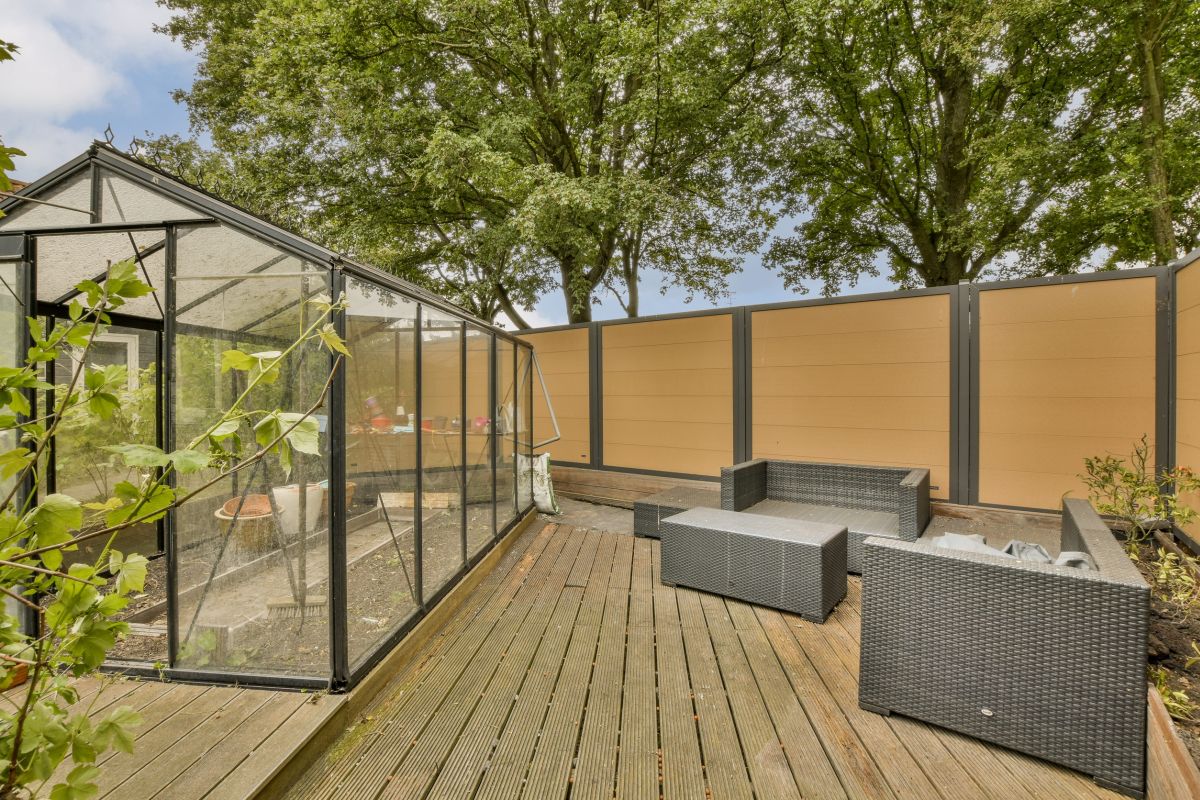
A beautiful backyard might look perfect in a real estate listing. However, an uncovered patio can become almost unusable during a Nevada summer afternoon.
Direct sunlight heats outdoor furniture, paving stones and exposed surfaces. Even metal chair frames and door handles can become uncomfortable to touch.
For that reason, designing a comfortable outdoor area should begin with shade. Pergolas, covered patios and carefully positioned shade structures can make a substantial difference.
Material selection matters as well. Homeowners planning to replace an existing outdoor floor might consider composite decking because it needs less routine staining and sealing than traditional timber. However, make sure to add proper cover to it so it dont’t get too hot during the day.
Even a modest backyard can become a pleasant evening gathering place when the seating area is protected from the afternoon sun.
5. Heavy Rain and Flash Floods Are Real Desert Problems
Living in one of the driest states in America might make flooding seem like an unlikely concern.
Unfortunately, desert conditions can make sudden rainfall particularly dangerous.
During the summer monsoon period, thunderstorms can produce intense rainfall over a short time. Hard ground and paved surfaces limit how quickly water can soak into the soil.
The result can be fast-moving water rushing through normally dry channels, across roads and into low-lying neighborhoods.
In August 2026, the City of Las Vegas published updated flash flood safety guidance, warning residents that dangerous flooding can develop rapidly, even when heavy rain falls some distance away.
Drivers should never attempt to cross flooded roads. Water depth can be difficult to judge, and even relatively shallow moving water can make a vehicle lose control.
6. Dust and Wildfire Smoke Can Affect Air Quality
Bright blue skies are one of the great attractions of Nevada. However, not every sunny day comes with clean air.
Strong winds can carry dust across highways and residential areas. During dry periods, dust may reduce visibility and leave a fine layer on vehicles, outdoor furniture and windows.
Wildfire smoke is another concern, particularly during summer and early autumn. Nevada can experience smoke drifting into populated areas even when the fires themselves are burning in neighboring states.
Clark County issued several smoke advisories during 2026, including warnings about wildfire smoke affecting southern Nevada.
Residents should check local air quality reports before exercising outdoors on smoky or dusty days. Maintaining suitable HVAC filters and keeping windows closed during air quality alerts can help reduce exposure.
Outdoor furniture and vehicles may also need cleaning more frequently than newcomers expect.
7. Driving Long Distances Becomes Part of Everyday Life
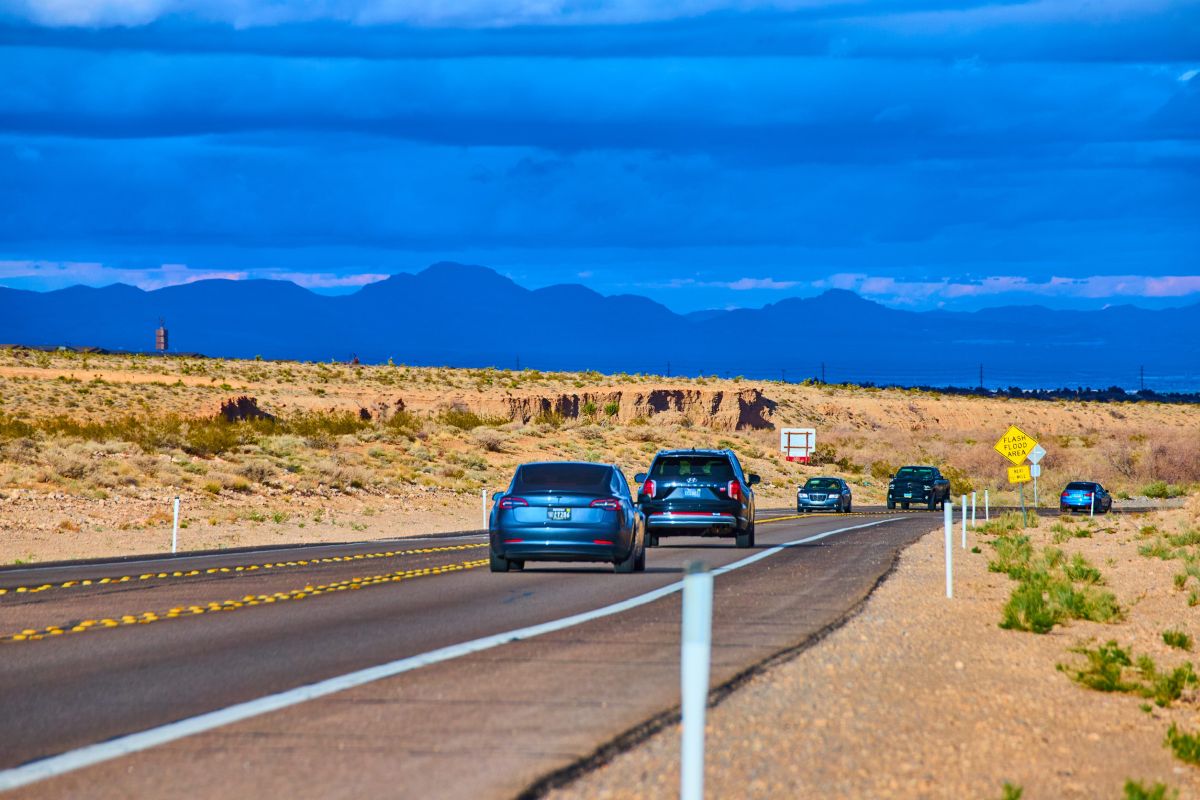
Nevada has enormous stretches of open land, and many communities are separated by long distances.
Even around major urban areas, some neighborhoods are designed primarily for cars. Public transportation is available in cities such as Las Vegas and Reno, but it may not serve every residential area conveniently.
In smaller communities, distances become even more noticeable.
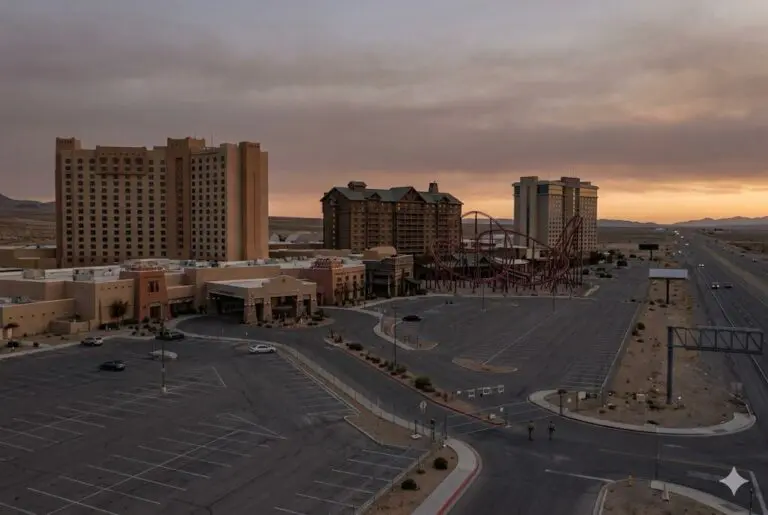
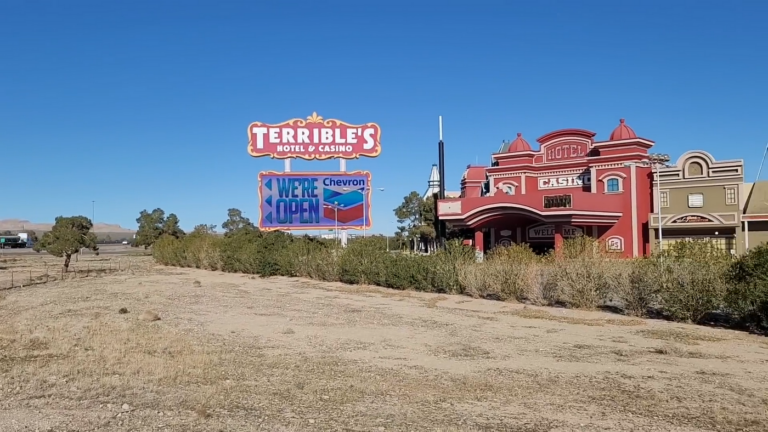
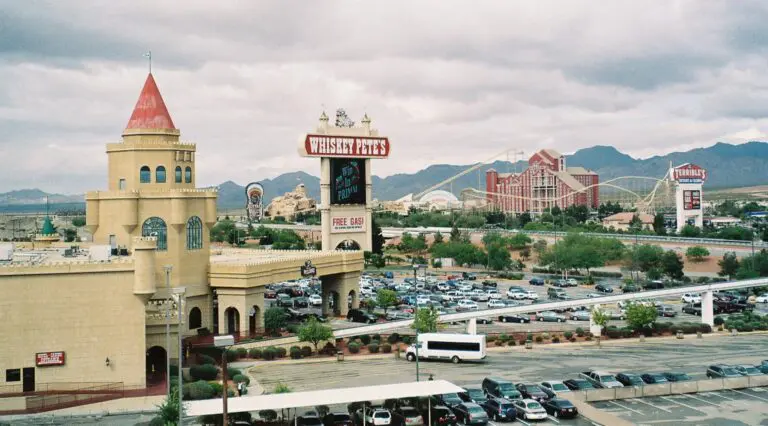
Consider Primm, near the California border. The nearby community of Jean, Nevada, lies about 12 miles north, but residents may need to travel considerably farther for certain services, shopping or medical appointments.
Before choosing a neighborhood, check the actual driving distance to your workplace, grocery stores, schools and healthcare providers.
For longer desert journeys, keep enough fuel in the vehicle, carry drinking water and check road conditions. Some rural stretches have limited services and unreliable mobile coverage.
8. Your Car Needs Extra Attention in the Desert
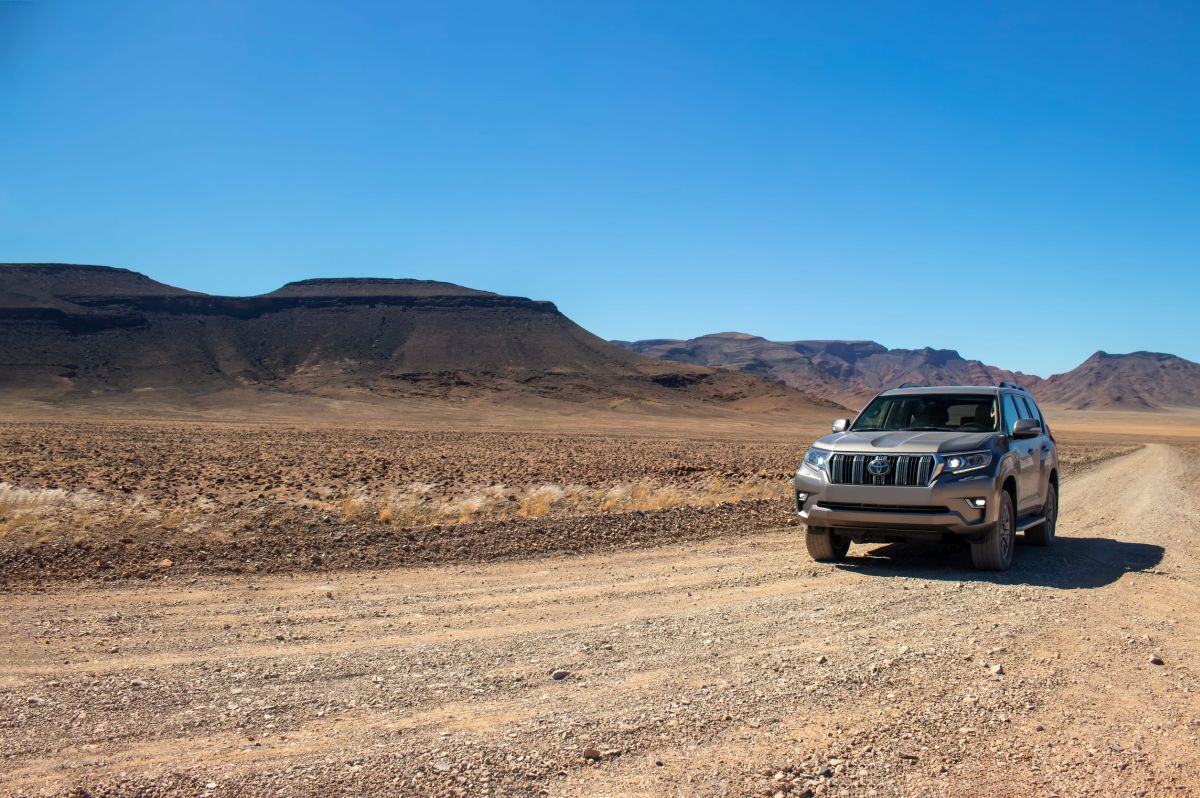
A vehicle parked under direct sunlight can become extremely hot inside, even when the outside temperature feels manageable.
Dashboard surfaces, seat belt buckles and steering wheels may become uncomfortable to touch. Sunshades and shaded parking can help limit some of the heat buildup.
High temperatures also place demands on vehicle cooling systems, tires and batteries.
Before summer, check tire pressure when the tires are cold, inspect coolant levels according to the vehicle manual and make sure the air conditioning works properly.
Drivers should also avoid leaving electronic devices exposed to intense sunlight inside parked vehicles.
9. No State Income Tax Does Not Mean Living Is Cheap
Nevada is attractive to people moving out of states with relatively high personal income taxes.
The Nevada Department of Taxation confirms that the state does not impose individual income tax on wages and salaries.
However, residents still pay other taxes, including applicable sales and property taxes. Federal income tax obligations also remain.
Housing costs vary substantially. Las Vegas, Henderson, Reno and smaller rural communities have different rental markets, property prices and employment opportunities.
Utility bills deserve particular attention. Summer air conditioning can increase electricity consumption, and northern Nevada households may also face considerable winter heating expenses.
Before relocating, compare total monthly expenses rather than looking only at income tax savings. Rent, insurance, transportation, cooling costs and everyday shopping can affect how far your income stretches.
10. You Can Find Incredible Outdoor Adventures Close to Home
Many people move to Nevada expecting casinos, busy highways and endless stretches of desert. They are surprised by how much outdoor recreation the state offers.
Near Las Vegas, Red Rock Canyon provides hiking routes and dramatic sandstone scenery. Valley of Fire State Park is known for its colorful rock formations and desert trails.
Northern Nevada offers completely different experiences. Lake Tahoe provides opportunities for swimming, boating and hiking during warmer months, and the surrounding mountains attract skiers during winter.
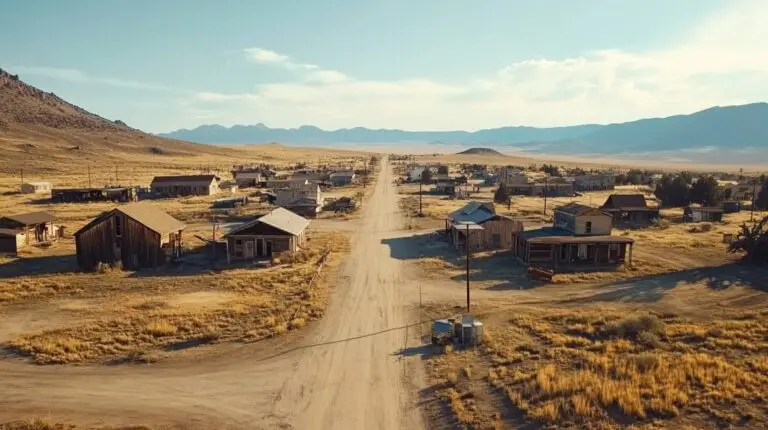
Smaller desert communities also provide access to quiet scenic drives, historical sites and unusual natural areas.
However, exploring the desert safely requires preparation. Anyone planning regular outdoor activities should learn how to handle desert heat and water shortages before attempting remote hikes.
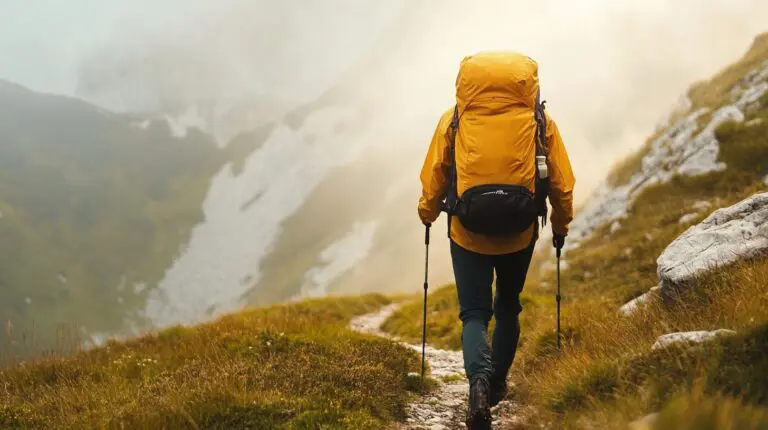
Carry suitable water supplies, check weather conditions and tell someone where you are going. During summer, early morning hikes are generally safer than starting during the hottest part of the afternoon.
The best part of living near all that scenery is having the freedom to explore without squeezing every destination into a short vacation.
Is Nevada the Right Place for You?
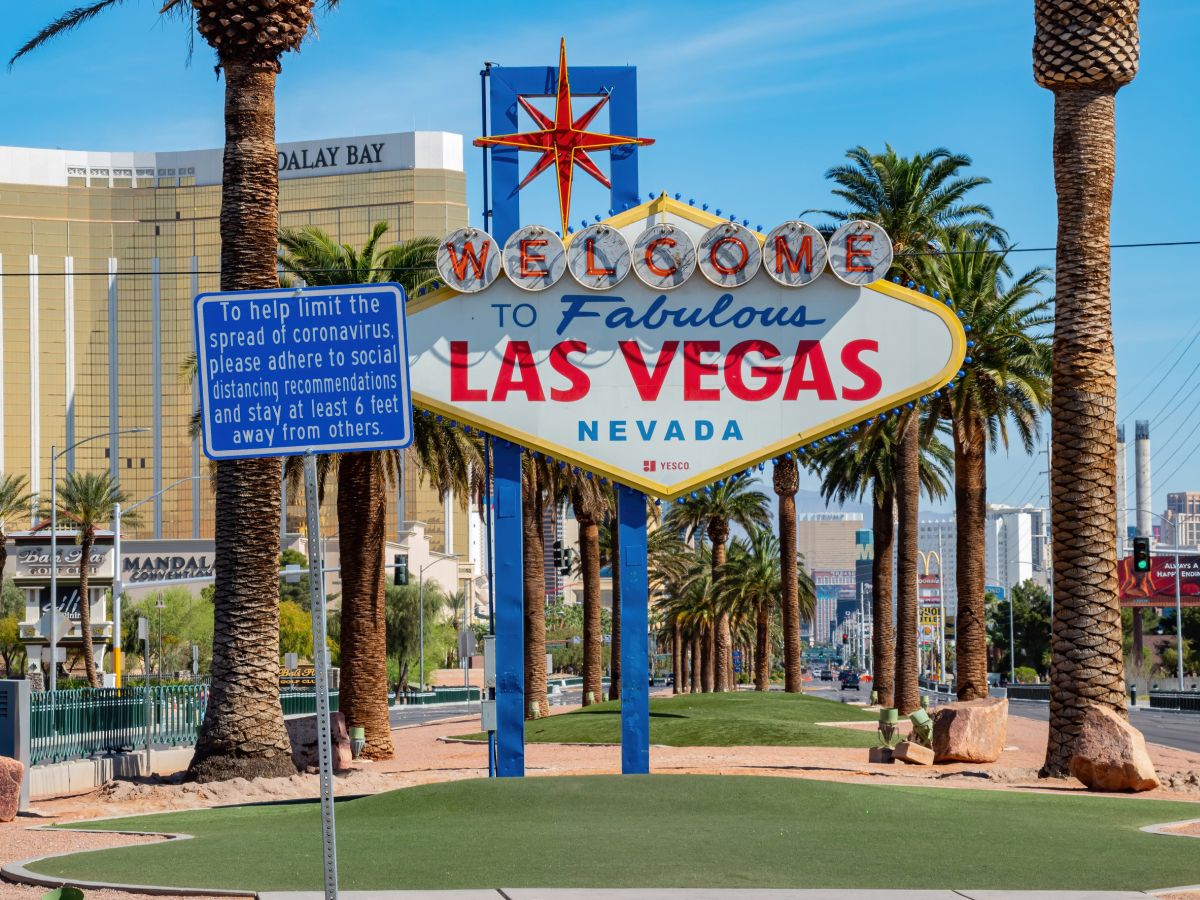
Moving to Nevada can be an exciting change, especially for people who enjoy sunshine, open spaces and access to outdoor recreation. However, adapting to desert life involves more than buying sunglasses and getting used to hot summers.
Visit your preferred city during different seasons if possible. Explore residential neighborhoods rather than relying entirely on tourist areas, and compare realistic living expenses before making a decision.
A house that looks attractive in spring may feel very different during a July heatwave. Similarly, a northern Nevada neighborhood that seems ideal in summer should also be evaluated for winter driving and heating costs.
Once you know what to expect, the unusual parts of desert living become easier to manage. You might even discover that early morning walks, mountain views and quiet evenings under the Nevada sky are exactly what you wanted when you decided to move.